
From a pile of rushes to a cut package: how Daniel learned the desk
Helen Fairbrother
6 minutes to read
A short account of Daniel, a camera operator who came to us confident behind the lens and unsure at the edit desk, and what changed once he worked to a newsroom clock.
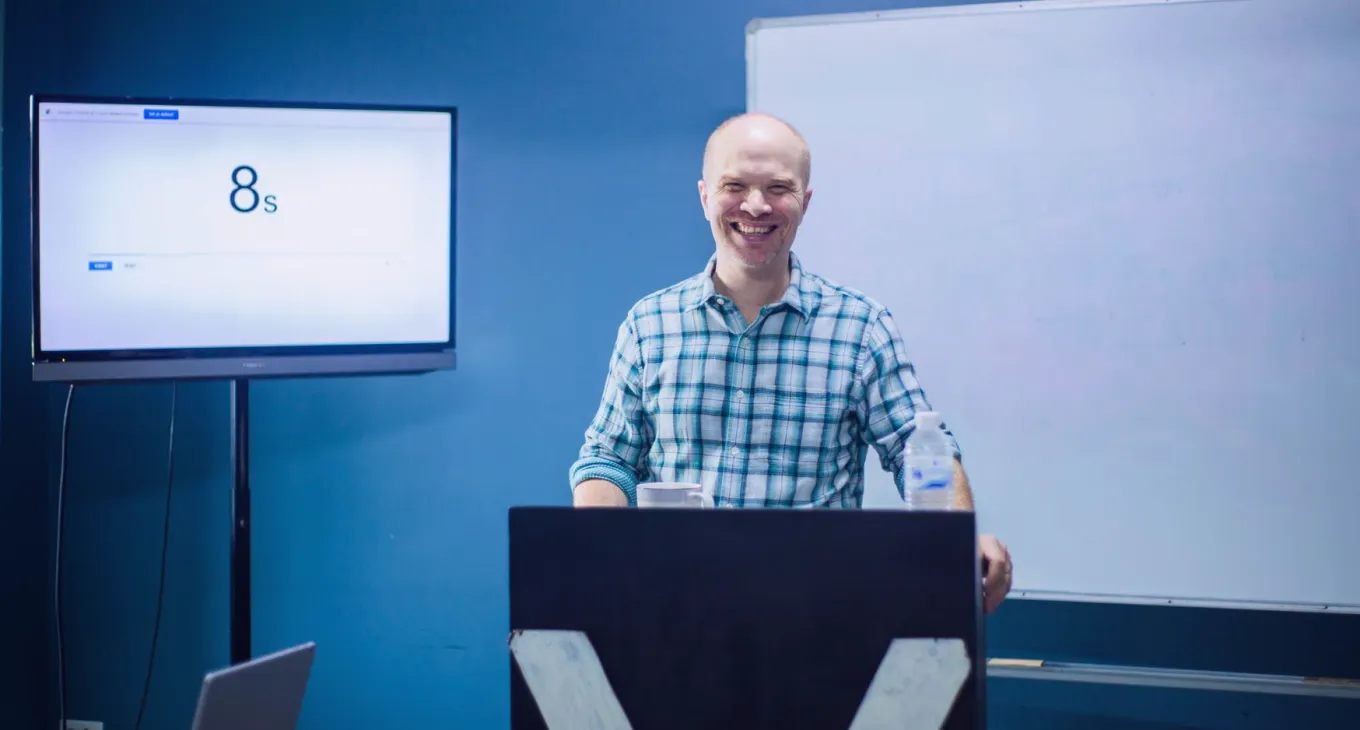
Daniel arrives with good pictures and no routine
Daniel came to us in the early part of the autumn term. He had spent a couple of years shooting for a small online outlet and his pictures were sound: steady, well exposed, sensibly framed. What worried him was everything that happened after he stopped recording. His editing was done on instinct, usually late at night, and he had never once been asked to hand over a finished piece against a fixed time.
In our first conversation he described his process honestly. He would copy the card across, scrub through the lot, pick the shots he liked and build something around them. Nothing was named, nothing was noted down, and when he needed a particular nod or a clean piece of ambient sound he could not find it without watching the whole shoot again.
I teach the newsroom workflow sessions alongside Priya, so I sat in on his first morning. My impression was that he did not lack ability. He lacked a system, and a system is something that can be taught in a few weeks of repeated practice.
Logging first, before a single cut is made
We began with logging, which most new starters want to skip. Daniel was given a set of rushes from a local council meeting and a street interview and asked to log every clip with a short description, a rough duration and a mark against anything usable. He grumbled that it was slow, and for the first hour it was.
Then Priya gave him a story brief with a ninety-second limit and asked him to find three shots of a specific kind. He found them in under two minutes, because his notes pointed him straight there. That small moment did more to convince him than any explanation I could have offered.
Good logs also protect accuracy. When you have noted who said what and roughly where it sits in the clip, you are far less likely to attribute a quote to the wrong person or lift a line out of its context.
- Name each clip by content, not by camera number
- Mark the strongest soundbite and the cleanest ambient sound
- Note any name, title or spelling you will need to caption
Building the package around the words
Once the logging habit held, we moved to structure. A news package is not a collection of lovely shots; it is a short piece of spoken storytelling with pictures laid over it. Daniel's instinct was to pick the visuals first and fit the script around them, which is the reverse of how a working desk usually proceeds.
We asked him to write his commentary to the interview clips first, check the running time by reading it aloud, and only then lay pictures to match each line. He found that shots he had loved no longer earned a place, while an unremarkable close-up of hands on a document suddenly did exactly the job the sentence needed.
He also learned to leave breathing space. A natural pause after a strong clip lets the audience take in what was said, and it is often the difference between a package that feels rushed and one that feels confident.
Working to a clock instead of a mood
The most useful part of the course for Daniel was probably the deadline drill. Each Thursday we gave the group fresh material and a delivery time, treated as a bulletin slot that would not move. Missing it was not catastrophic in the classroom, but we discussed the cost afterwards as if it had been real.
In his first drill Daniel spent too long perfecting the opening and handed in a package that ended abruptly. By the third week he was setting himself waypoints: logging finished by a set time, script by another, rough cut before the halfway mark, and a final pass reserved for checking spellings, audio levels and captions.
That discipline travels. Whatever the size of the newsroom he ends up in, a person who can say when a piece will be ready, and then deliver it, is trusted with more.
- Set a time for logging, script, rough cut and final check
- Keep the last ten minutes for names, spellings and sound levels
- Export and check playback before you call it finished
What stayed with him from the final week
In the last week Daniel cut a two-minute piece from a morning's shoot in the city, start to finish, with no help from us beyond a quiet word about one jump cut. He logged, scripted, cut and delivered with time to spare, and when I watched it back I noticed how plain and clear it was. Nothing in it showed off.
He told me afterwards that the surprise was how much calmer he felt. Not because the work had become easier, but because he knew what came next at each stage. He was no longer deciding what to do while also deciding how to do it.
I do not want to overstate a few weeks of tuition. Daniel still has plenty to learn, as everyone does, and his speed will come with repetition. But he now has a method he can carry into any edit suite.
Why we teach the desk alongside the camera
Daniel's story is typical of why we place editing and workflow next to field technique in our training. Shooters who understand the edit film differently: they grab the cutaway, hold a shot a few seconds longer and record clean sound because they know what the desk will need.
Equally, someone who edits well is a better judge of what makes a story work before the camera is even switched on. The two crafts feed each other, and a newsroom is quicker and more accurate when both halves of the chain understand one another.
If you recognise yourself in Daniel's early habits, there is nothing unusual in that. Most people arrive that way. The fix is routine, patience and plenty of short, timed practice with someone who has done it for a living.
Daniel arrived with a good eye and left with a routine: log carefully, write to the interview, lay pictures to the words and work to a clock. None of it is glamorous, and all of it is what keeps a newsroom running. If your own edits tend to drift late and loose, the answer is usually a method rather than more talent, and a method can be learned in weeks.
Get in touch
- Phone
- 01392 574186
- By email
- hello@obychnyfy.com