
Television journalism training for reporters and camera operators
Five areas of practical training taught in small classroom groups by former broadcast journalists, from field camera technique to portfolio coaching for broadcast applications.
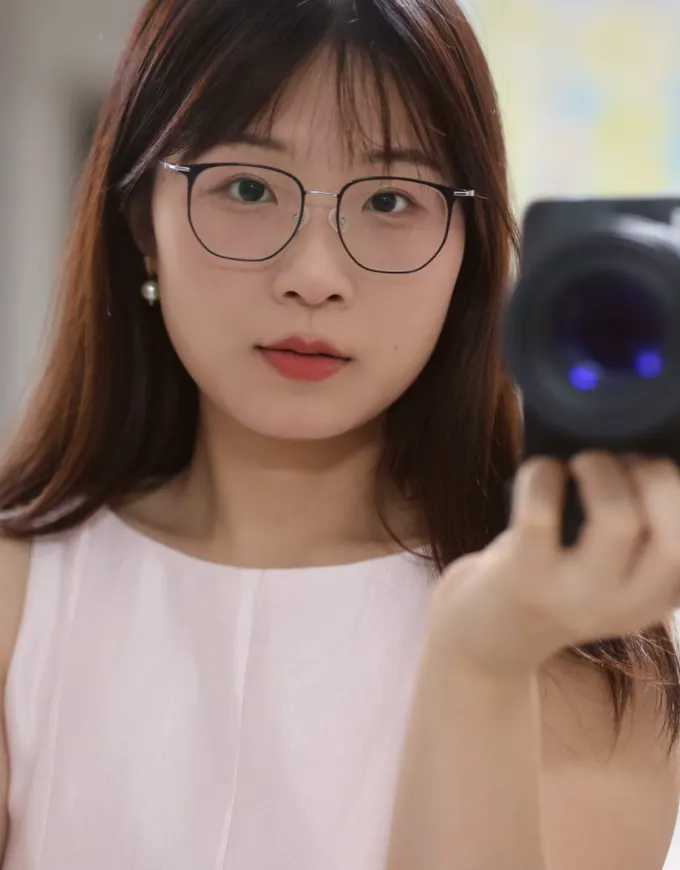
Five training areas built around real newsroom practice
Each area is taught by a tutor who has done the job. Field Camera Techniques covers framing, exposure and audio. On-Camera Reporting covers delivery and scripting to picture. Live Coverage Strategies, Newsroom Workflow and Editing, and Professional Portfolio Coaching complete the set.
Field Camera Techniques
Hands-on training in framing, exposure, audio capture and shooting handheld or on a tripod in unpredictable locations.
On-Camera Reporting
Classroom and studio sessions on delivery, scripting to picture, piece-to-camera structure and calm presence in front of a lens.
Live Coverage Strategies
Practical preparation for live reports, covering planning, ad-libbing, working with a gallery and handling breaking news.
Newsroom Workflow and Editing
A grounding in logging footage, cutting a news package and meeting deadlines in a working newsroom routine.
Professional Portfolio Coaching
One-to-one guidance on assembling showreels, a reporter portfolio and applications for broadcast roles.
Tell us which areas matter to you and what you already do, and we will talk through how they fit together before anything is confirmed in writing.
ContactFrom first enquiry to your first session
Ordering is done in writing and without pressure. You contact us, we talk through what you need, and nothing is bought on the website itself. Each stage below ends with something you can read and check before moving on.
Send an enquiry
Use the contact form or ring the office. Tell us your current experience, whether you work in front of or behind the camera, and which training areas interest you. A short message is enough to start the conversation.
What you leave withA reply from our office with follow-up questions if needed
Talk through your needs
A tutor or the office team discusses your goals, your existing kit or footage, and how much time you can give. We suggest which areas suit you and whether a group or one-to-one format makes more sense.
What you leave withA shared understanding of the training areas you will take
Receive a written quotation
We set out in writing what is included, the price in pounds sterling and anything that could change it, such as extra one-to-one time. You can ask questions or change the scope before agreeing.
What you leave withA written quotation you can accept, query or decline
Confirm and pay by invoice
Once you accept, we send a written confirmation and an invoice. Payment is by bank transfer. Cancellations and refunds follow our payment and refund policy, which you can read before you commit.
What you leave withWritten confirmation and an invoice payable by bank transfer
Attend your sessions
Sessions run in our Exeter classroom in small groups. You practise on camera, shoot, cut or present, and receive direct comments from the tutor on your work as it happens.
What you leave withPractical feedback on your own footage, scripts or delivery
What to prepare and what to expect
You do not need a full kit or a finished showreel to begin. A little preparation helps tutors pitch sessions at the right level and lets you use classroom time on practice rather than set-up.
Bring what you have
If you already shoot or report, bring examples: a recent package, a piece-to-camera or raw footage. Tutors use these to see where you are and what to work on. If you are starting out, that is fine too. Tell us honestly how much experience you have, and we will build from there rather than assume anything about your background or equipment.
What is in the price
Your written quotation states what the price covers, such as classroom sessions, tutor time and feedback on your work. It also states what is not covered, for example travel to Exeter or extra one-to-one coaching you ask for later. If the scope changes, we confirm the new figure in writing before invoicing, so the cost never shifts without your agreement.
Order of costs
The order is simple. First an enquiry, which costs nothing. Then a written quotation, then confirmation, and only then an invoice paid by bank transfer. You are never asked to pay before you have seen the scope in writing. If you need to cancel, the payment and refund policy explains how that works and what applies at each stage.
Questions about training
These are the questions we hear most often before someone books. If yours is not here, send it through the contact page and the office will answer in writing.
Do I need my own camera to take part?
Not necessarily. The Field Camera Techniques sessions are hands-on, and we will tell you in advance what equipment is used and whether you should bring anything. If you have your own kit, tutors are happy to look at how you use it. Ask us when you enquire.
Who teaches the sessions?
All tutors are former broadcast journalists. Helen Fairbrother leads on-camera and live coverage, Marcus Whitlock teaches field camera technique, and Priya Nair covers editing and workflow. You can read more about each of them on the Tutors page.
Can I take just one training area?
Yes. Each area can be discussed on its own, and many people start with the one that fits their current job or application. We can also combine areas if you want a broader grounding. The quotation will list exactly what you have chosen.
How are group sizes decided?
We teach in small classroom groups so every trainee gets time on camera or behind it. We do not give a fixed number here because it depends on the session. Ask when you enquire and we will tell you what to expect.
How do I pay?
Nothing is paid on this website. After your enquiry we send a written quotation, then a confirmation and an invoice. You pay by bank transfer using the details on the invoice. There is no card payment or online checkout.
What happens if I need to cancel?
Cancellations and refunds follow our payment and refund policy, which sets out what applies and when. Please read it before accepting a quotation. If your circumstances change, contact the office as early as you can so we can look at your options.
Do you offer one-to-one help?
Yes. Professional Portfolio Coaching is one-to-one guidance on showreels, a reporter portfolio and applications for broadcast roles. Other areas may also include individual feedback, and we can discuss extra one-to-one time when you enquire.
Will I be guaranteed a job afterwards?
No. We teach craft and give honest feedback on your work, but we cannot promise employment or a particular outcome. What you leave with is better skills, material you can show and a clearer idea of where you stand.
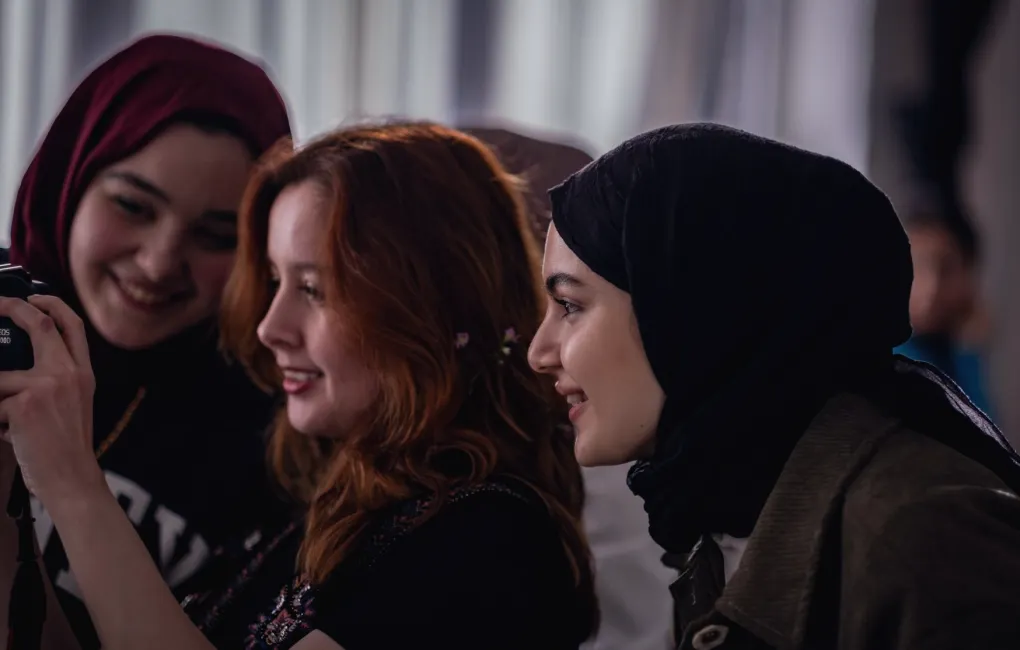
Tell us what you want to learn
Send an enquiry through the contact page or ring the office. We reply in writing, talk through your aims and, if it suits, follow with a quotation.
ContactGet in touch
- Phone
- 01392 574186
- By email
- hello@obychnyfy.com