
Piece-to-Camera Habits Worth Building Before the Winter Shoots
Marcus Whitlock
6 minutes to read
With shorter days and wetter locations ahead, I set out how to prepare your delivery, script-to-picture structure and presence on camera now, while the autumn light still gives you time to practise.
Why the autumn weeks matter for your delivery
Mid autumn is the quiet stretch before the news calendar fills up with winter weather, early darkness and the long run of seasonal stories. I teach camera, but I sit in on enough on-camera sessions to know that the reporters who struggle in December are usually the ones who did no deliberate practice in October. Delivery is a habit, and habits take weeks to settle.
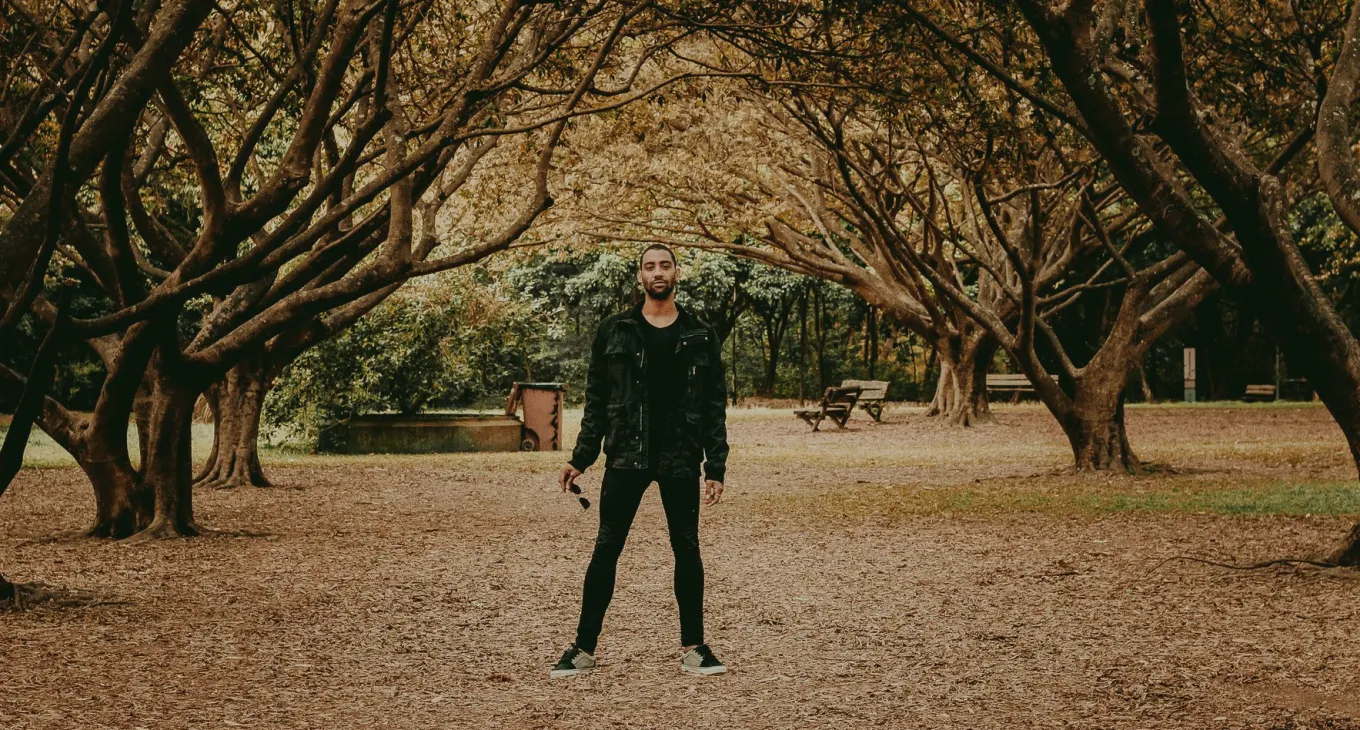
The conditions are also kinder right now. The light is still workable in the late afternoon, the wind has not yet turned savage, and you can stand outside for twenty minutes without your hands going numb. That makes this the best time to rehearse pieces to camera in real locations, rather than only in a classroom or a corner of the flat.
Our On-Camera Reporting sessions cover delivery, scripting to picture, piece-to-camera structure and calm presence in front of a lens. What follows is the part you can start on your own this month, with a phone on a tripod and a willingness to watch yourself back.
Build a short piece-to-camera you can repeat
Start small. Pick one location near you with something genuinely happening in it, such as leaves being swept, a market stall packing up or a bus queue in the rain. Write a piece to camera of no more than fifteen seconds, with one fact, one reason it matters and one line that points to what comes next. Keep it that short so you can do it fifteen times in an afternoon.
The structure matters more than the polish. A good piece to camera tells the viewer where you are, what has changed and why they should care, in that order, and it usually works best when you walk into the frame or turn to reveal something behind you. Practise the movement as well as the words, because movement is where nerves show first.
Record each take, then change one thing only: pace, stance or where your eyes land. If you alter three things at once you will never know which one helped.
- One fact, one reason it matters, one pointer forward
- Aim for around fifteen seconds a take
- Change one variable per attempt
Script to the picture, not over it
The most common weakness I see in trainee scripts is narration that competes with the pictures instead of leaning on them. If the shot shows a flooded car park, the line should not say there is a flooded car park. It should tell the viewer what the pictures cannot: how deep it got, when it started, who has been affected.
Autumn gives you a useful exercise here. Shoot thirty seconds of a single scene, a river running high or a high street after a storm, then write the words only once you have watched the footage twice. Mark where the strongest shots fall and give those moments room, with a pause in your voice or a line that lands just after the image changes.
This is the same discipline we teach in the classroom when we work from a rough cut. Words should arrive a beat behind the picture, never ahead of it, and a script written before you have seen the material will almost always fight the edit.
Voice, breath and the cold
Cold air tightens the voice and shortens the breath, and it does so quietly. You may not notice until you play a take back and hear a thin, rushed delivery that was not there in the warm. Build in a short routine before you record: a few slow breaths, a hum, and one line read aloud at half speed to settle your pitch.
Wear what keeps you warm without restricting your shoulders, because stiffness shows on camera. Keep a scarf or collar clear of the microphone, and carry hand warmers if you are doing several takes, since fingers that cannot hold a script or a stick microphone steadily will undermine an otherwise calm piece.
Pace is the other casualty. People speed up when they are uncomfortable, and a faster delivery reads as anxious even when the words are good. Deliberately slow your first sentence on every take and let the rest follow naturally from it.
- Breathe low and slowly before each take
- Keep clothing clear of the microphone
- Slow the opening sentence on purpose
Watching yourself back without flinching
Almost everyone dislikes their own footage at first, and that reaction gets in the way of learning. Watch each clip three times with a different job each time: once for content, once for body and eyeline, once for voice only with the screen turned away. Separating the jobs stops you drowning in general embarrassment.
Keep a simple log. Write the date, the location, the take number and one sentence on what you would change. After a fortnight you will see patterns, perhaps a habit of looking down at the end of a sentence or a tendency to swallow the last word, and patterns are far easier to fix than a vague sense that you are not good enough.
If you can, swap clips with another trainee or a friend who reads the news carefully. A fresh viewer notices distractions you have stopped seeing, such as a repeated hand gesture or a stock phrase that creeps into every piece.
A simple plan for the coming months
Set yourself a modest rhythm: three short pieces to camera a week, each in a different place and each with a fresh script written to its pictures. By the time the clocks have gone back and the evenings are dark, you will have a small library of footage to compare, and a clear sense of which habits are holding firm.
As conditions worsen, move some of the practice indoors under a window or lamp, and keep the outdoor sessions for the days when the weather allows. A reporter who can deliver steadily in poor light, with cold hands and a short script, is far better placed when a real assignment arrives at short notice.
If you would like a tutor to look at your clips and work on structure and presence with you, the On-Camera Reporting sessions are the place to do it, in a small group where every take gets proper attention.
- Three short pieces a week in varied places
- Log one change to try after every take
- Move practice indoors only when the weather forces it
The coming months will test your delivery with cold, wind and fading light, so use the milder weeks to build habits that hold up under pressure. Keep your pieces short, script to the pictures, slow your first sentence and watch your own work with a clear job each time. Small, regular practice now will make the winter shoots feel familiar rather than daunting, and it gives you something concrete to bring to a tutor when you want a second opinion.
Get in touch
- Phone
- 01392 574186
- By email
- hello@obychnyfy.com