
Why We Rebuilt Our On-Camera Reporting Sessions This Autumn
Marcus Whitlock
5 minutes to read
Our on-camera reporting sessions now put scripting to picture and the piece-to-camera in one connected workflow, with more studio time and smaller groups. Here is what has changed.
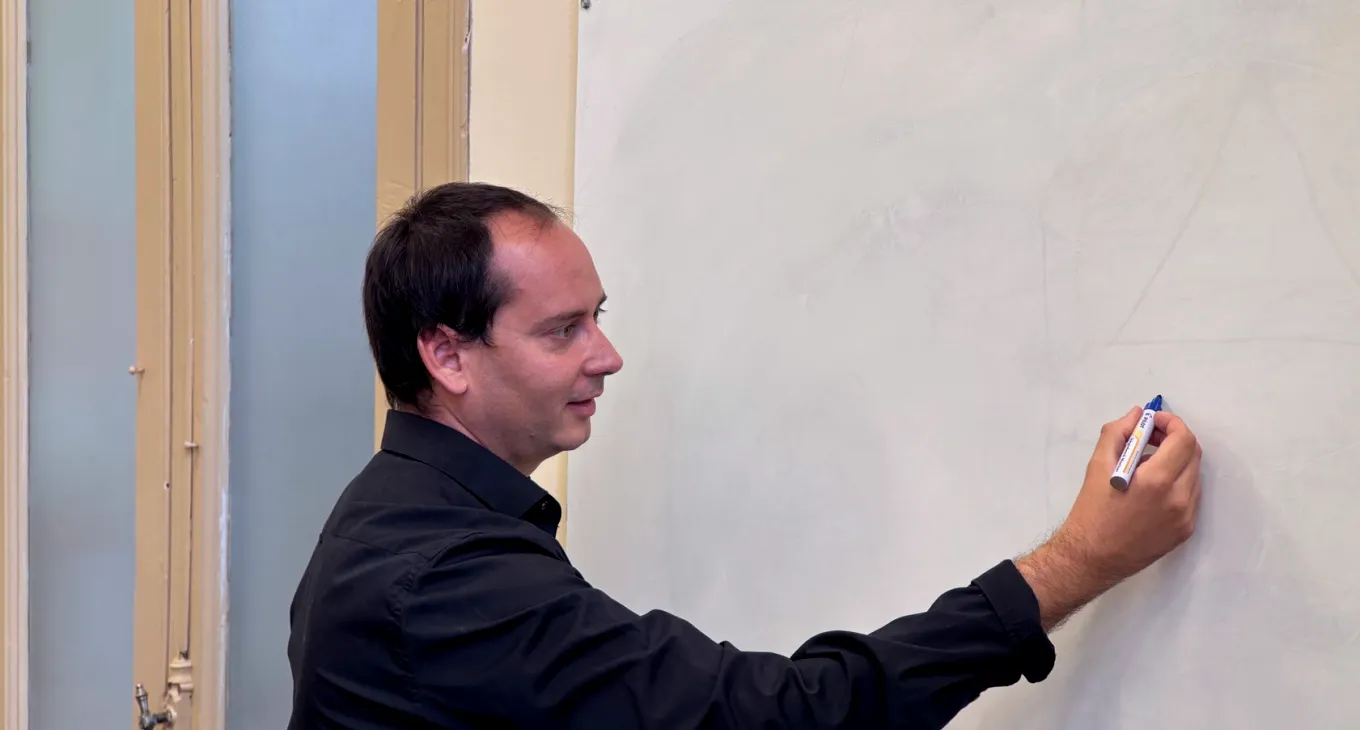
What has changed in the sessions
For the autumn intake we have reorganised On-Camera Reporting so that each session follows one story from first line to final take. Before, trainees often wrote a script on one day and delivered it on another, and the link between words and pictures got lost along the way. Now the same short story runs through the whole session: the footage is viewed, the script is written to it, the piece-to-camera is planned, and only then do we record.
I am writing this as the tutor who sits beside the lens most weeks, so I have seen where the old pattern let people down. A trainee would deliver a confident read of a script that did not match the shots, and the first thing a newsroom editor notices is exactly that mismatch. Joining the steps up makes the habit of checking words against pictures automatic rather than something we have to remind people about.
Scripting to picture comes first
Every session now opens in the classroom with the footage on screen and no script on the table. Trainees log what the pictures actually show, note the strongest moments, and only then draft their lines. The rule we repeat is simple: the script follows the picture, never the other way round. If the footage shows an empty car park, the words do not describe a bustling crowd.
Helen Fairbrother, who leads our on-camera courses, has long taught this as the foundation of broadcast writing, and the new format gives it proper time. Trainees read their drafts aloud against the pictures, and the group points out any line that says something the shots cannot support. It feels slow at first, but within a couple of sessions people start catching their own mistakes before anyone else does.
- Log the footage before writing a word
- Write short sentences that can be spoken in one breath
- Leave room for natural pictures and sound
Structuring the piece-to-camera
The second part of each session is the piece-to-camera itself. We teach a plain structure: say where you are and why it matters, give the one fact the viewer needs, and close with what happens next. A good piece-to-camera is rarely longer than twenty or thirty seconds, and it should add something the pictures alone could not, whether that is context, a location detail or a sense of scale.
Trainees often want to pack in everything they know. We ask them to choose one point and say it well. Cutting a draft down is uncomfortable, yet it is the skill that makes the delivery calmer, because there is less to remember and less to go wrong when the red light comes on.
More studio time, smaller groups
The biggest practical change is that groups are smaller, so every trainee spends more minutes in front of the lens in each session. Watching others is useful, but nothing replaces doing it yourself and seeing the playback straight away. We keep a short, fixed routine: record, watch together, say one thing that worked, one thing to change, and record again.
Presence in front of a camera is mostly about breathing, posture and where you look, and those are fixed through repetition rather than explanation. By the third take most people notice their shoulders drop and their pace settle. We do not chase perfection; we look for a steady, natural delivery that sounds like a person telling you what they have just seen.
- Record, review, adjust, record again
- One note of praise and one note to change
Working with the camera crew
Because I teach field technique, I join some of the on-camera sessions to show trainees what the person behind the lens needs from them. A reporter who stands in the wrong light, drifts out of the frame or speaks over a passing lorry makes the operator's job harder and the piece weaker. Learning to choose a position, check the background and wait for a quiet moment is part of reporting, not a favour to the crew.
We practise small agreements as well: a signal before recording, a clear count in, and a quick check of the frame before the first take. These habits are routine in working newsrooms, and trainees who have rehearsed them tend to look relaxed on their first real assignment.
Who the sessions suit
On-Camera Reporting is for aspiring reporters, working journalists who want to sharpen their delivery, and students preparing a showreel. You do not need previous broadcast experience, only a willingness to be recorded and to watch yourself back. Bring a story idea if you have one; if not, we supply short story packs so nobody starts from a blank page.
Details of fees and how to enrol are on the prices page, and the contact page is the place to ask about the next available intake. If you are unsure whether the course fits your level, send a short note about your background and we will reply with a straightforward answer.
The reworked sessions keep the same aim they always had: to help reporters write to their pictures and speak to a lens without strain. What is different is the order of work and the amount of practice each person gets. If you are thinking about joining this autumn, get in touch through the contact page and tell us where you are starting from.
Get in touch
- Phone
- 01392 574186
- By email
- hello@obychnyfy.com