
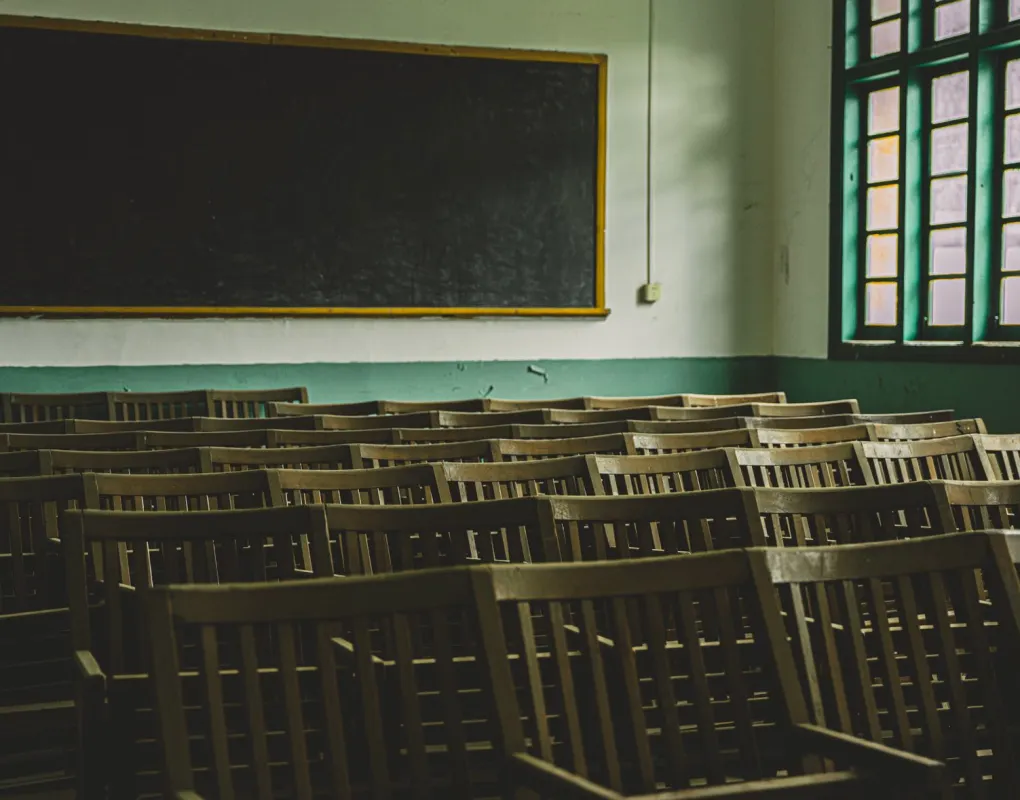
Training built around how newsrooms really work
Good television reporting is a craft learned by doing it repeatedly, being corrected honestly, and doing it again until the basics hold up under pressure.
obychnyfy is a training hub in Exeter for reporters and camera operators in television news. Since 2014 we have taught field camera technique, on-camera reporting and live coverage in small groups. Our tutors are former broadcast journalists who teach from what they did on shift.
- Craft
- Accuracy
- Practice
From first enquiry to confident practice
You tell us what you want to work on, we agree a plan in writing, and you train in a small group or one to one. Each step is practical and the next one is always clear.
-
Send an enquiry
Use the contact page to tell us your experience and what you want to improve, whether that is shooting, reporting, live work or your portfolio. We reply with questions and suggestions.
-
Agree the plan
We confirm which training fits you and send a written quotation. Once you accept it, we issue an invoice payable by bank transfer, and the dates are confirmed with you.
-
Learn the craft
Sessions begin with short demonstrations, then move quickly to you handling the camera, writing to picture or delivering to a lens. Tutors correct as you work, not afterwards.
-
Practise under pressure
You work to realistic deadlines and briefs, such as a piece to camera on the spot or a live report with little notice, so habits form before they are needed.
-
Review and move on
Each course ends with a frank review of your recorded work and clear pointers for what to practise next, including how to present it in a showreel or application.
Five areas of television news practice
Each area can be taken on its own or combined, depending on whether you work behind the camera, in front of it, or both. All are taught hands on by tutors who have done the job.
-
Field Camera Techniques
You learn framing, exposure and audio capture, shooting handheld and on a tripod in locations that rarely behave. The focus is getting usable, well-composed pictures quickly. Marcus Whitlock leads this training from his years as a news camera operator.
-
On-Camera Reporting
Sessions cover delivery, scripting to picture and how to structure a piece to camera. You practise in the classroom and studio until you look calm and clear in front of a lens. Helen Fairbrother leads this work.
-
Live Coverage Strategies
This covers planning a live report, ad-libbing when notes run out, working with a gallery and handling breaking news. You rehearse realistic scenarios so the pressure is familiar before it is real.
-
Newsroom Workflow and Editing
You learn to log footage, cut a news package and hit a deadline within a working newsroom routine. The aim is a clean, accurate story delivered on time. Priya Nair teaches editing and delivery workflows.
-
Professional Portfolio Coaching
One-to-one guidance on assembling a showreel, a reporter portfolio and applications for broadcast roles. We help you choose your strongest work, cut it tightly and present it clearly to employers.
Practical teaching from people who did the job
Our classes are small and our tutors have worked in regional television news. That shapes how we teach, what we correct and what we expect you to be able to do afterwards.
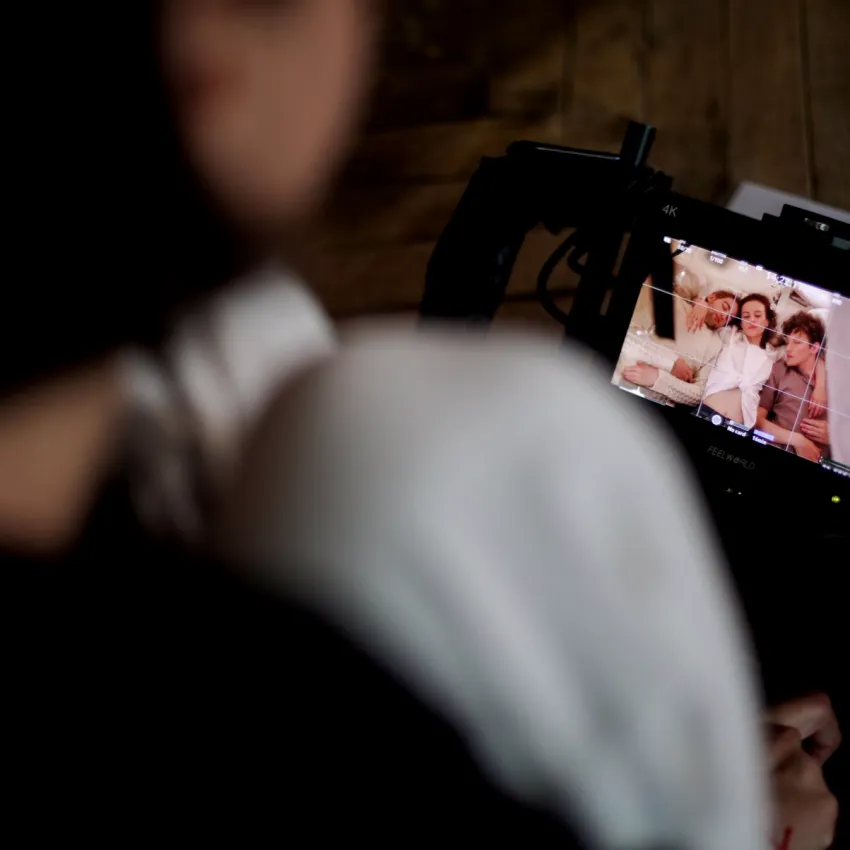
Small classroom groups
Smaller groups mean every trainee gets time on the camera and in front of it, with tutors close enough to correct technique as it happens.
Real newsroom practice
Exercises follow the pace and constraints of a working newsroom, from tight deadlines to awkward locations, rather than ideal studio conditions.
Accuracy before polish
We teach you to get the facts, the pictures and the sound right first, because a good delivery cannot rescue a sloppy story.
Honest feedback
Your recorded work is reviewed plainly and specifically, so you know exactly what to keep, what to fix and what to practise next.
What training days look like
These scenes show the kind of work trainees do across a course. Each is a practical exercise, set up to mirror a task from a working television newsroom.
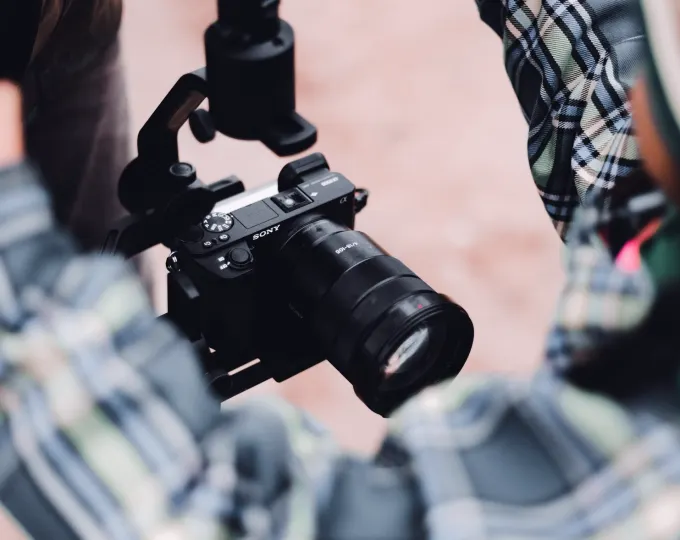
Handheld shooting on location
Trainees practise keeping a shoulder-mounted camera steady while following action. The exercise focuses on framing, movement and capturing clean sound in a busy public setting.
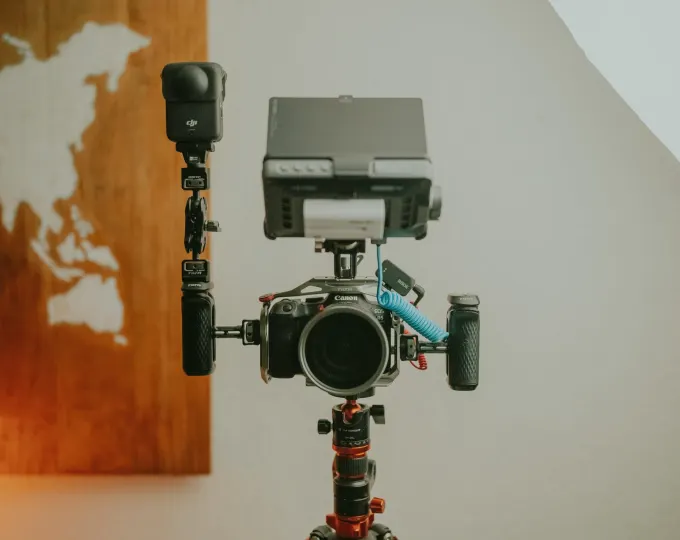
Tripod set-up for a studio interview
A two-person exercise in setting exposure, checking audio and framing an interview. Trainees swap roles so each person handles both the camera and the questions.
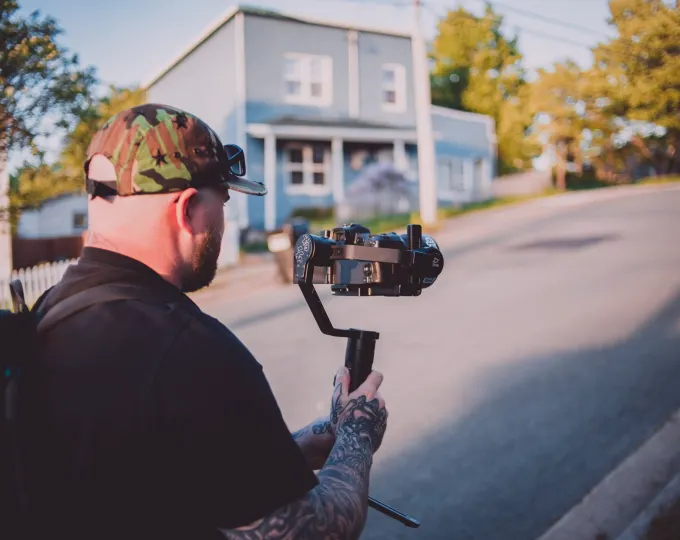
Piece to camera rehearsal
Reporters deliver a short piece to camera several times, adjusting pace, script and posture after each take. Tutors review the recordings together with the group.
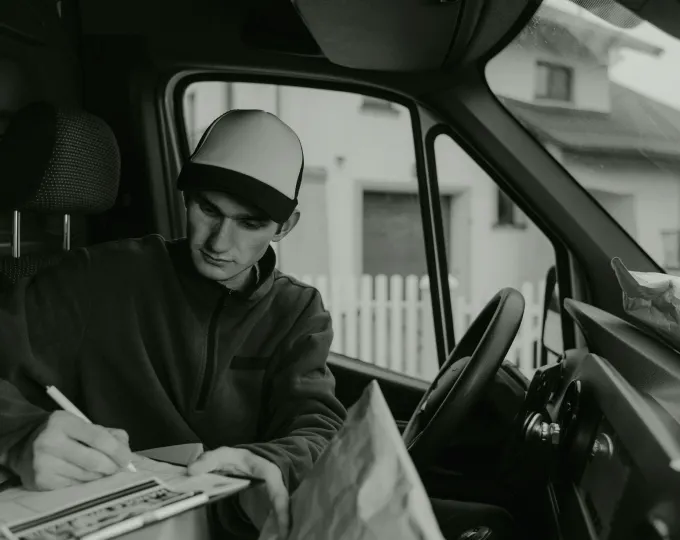
Live report planning session
Small teams plan a live hit from a prepared brief, deciding what to say first, what to hold back and how to fill time if the picture is delayed.
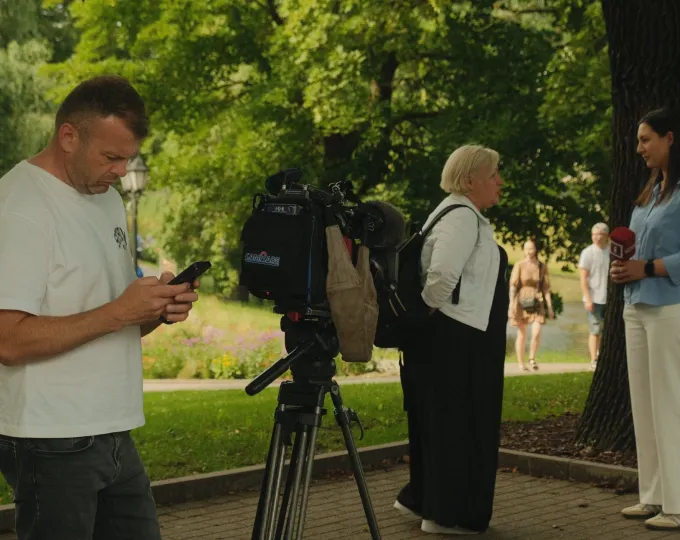
Logging and cutting a news package
Trainees log footage, choose their best shots and cut a short package to a fixed running time. The emphasis is on clear story order and clean sound.
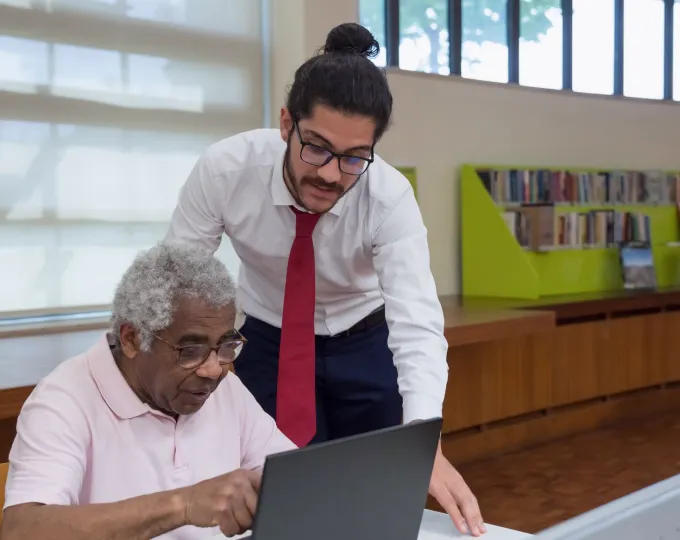
Showreel review with a tutor
A one-to-one session going through a trainee's showreel clip by clip, deciding what to cut, what to lead with and how to present the work to employers.
Get in touch
- Phone
- 01392 574186
- By email
- hello@obychnyfy.com